Justice Center

Children, Trauma, & Lifelong Impact

Children are often the most profoundly affected — and the least considered — participants in legal processes. When a parent or caregiver is suddenly removed, restricted, or entangled in prolonged legal uncertainty, children experience a rupture to their sense of safety, predictability, and attachment.

For many children, the trauma is not a single event. It is ongoing.

They live with unanswered questions, inconsistent contact, changes in caregivers or routines, and the emotional strain of watching adults around them struggle under stress. Because children often lack the language or context to understand what is happening, they internalize confusion and fear in ways that may not be immediately visible — but that shape development over time.

The effects can include:

  • Chronic anxiety and hypervigilance

  • Difficulty trusting caregivers or authority figures

  • Emotional withdrawal or behavioral dysregulation

  • Disrupted attachment and relational insecurity

  • Challenges with learning, concentration, and self-regulation

  • Long-term impacts on mental health and relationships

These responses are not temporary reactions that children simply “grow out of.” Early and sustained trauma alters how children understand safety, connection, and stability — with effects that can persist into adolescence and adulthood.

Yet children’s experiences are rarely named in legal processes. Their trauma is often treated as incidental, unavoidable, or outside the scope of responsibility. Court decisions, timelines, and procedures are rarely evaluated for their impact on children’s emotional and developmental well-being, even when those children are directly affected.

This work brings attention to what is routinely left unspoken: that legal processes can create or compound childhood trauma in ways that reverberate across a lifetime. A justice system that fails to acknowledge children’s experiences fails to account for one of its most enduring forms of harm.

Recognizing child trauma is not about assigning blame. It is about honesty — about understanding that children absorb the consequences of legal decisions long after cases are closed, and that those consequences shape families, communities, and future generations.


Justice Center

Caregivers at the Center

Caregivers often absorb the most immediate and enduring harm when a family becomes involved in the legal system. While legal processes focus on cases and outcomes, caregivers are left to manage the disruption in real time — frequently without preparation, support, or acknowledgment.

Caregivers may suddenly become sole providers, primary parents, and emotional anchors for children experiencing fear, confusion, and loss. They are expected to maintain stability while navigating unfamiliar systems, financial strain, altered family roles, and prolonged uncertainty about the future. Many do so while carrying their own trauma, grief, and exhaustion.

The cumulative impact on caregivers can include:

  • Chronic stress and emotional overwhelm

  • Trauma responses related to uncertainty, fear, and loss of control

  • Financial instability and employment disruption

  • Social isolation and reduced access to support

  • Long-term health consequences associated with sustained stress

Despite their central role, caregivers are rarely considered in legal decision-making. Their capacity, limits, and well-being are often invisible, even as they hold families together under extraordinary pressure.

This work centers caregivers as essential participants whose experiences and hardship matter. Recognizing caregiver trauma is not an act of sympathy — it is a necessary step toward understanding the true impact of legal processes and the resilience required to survive them.

Justice Center

Pregnancy, Birth, & Parenting in Custody

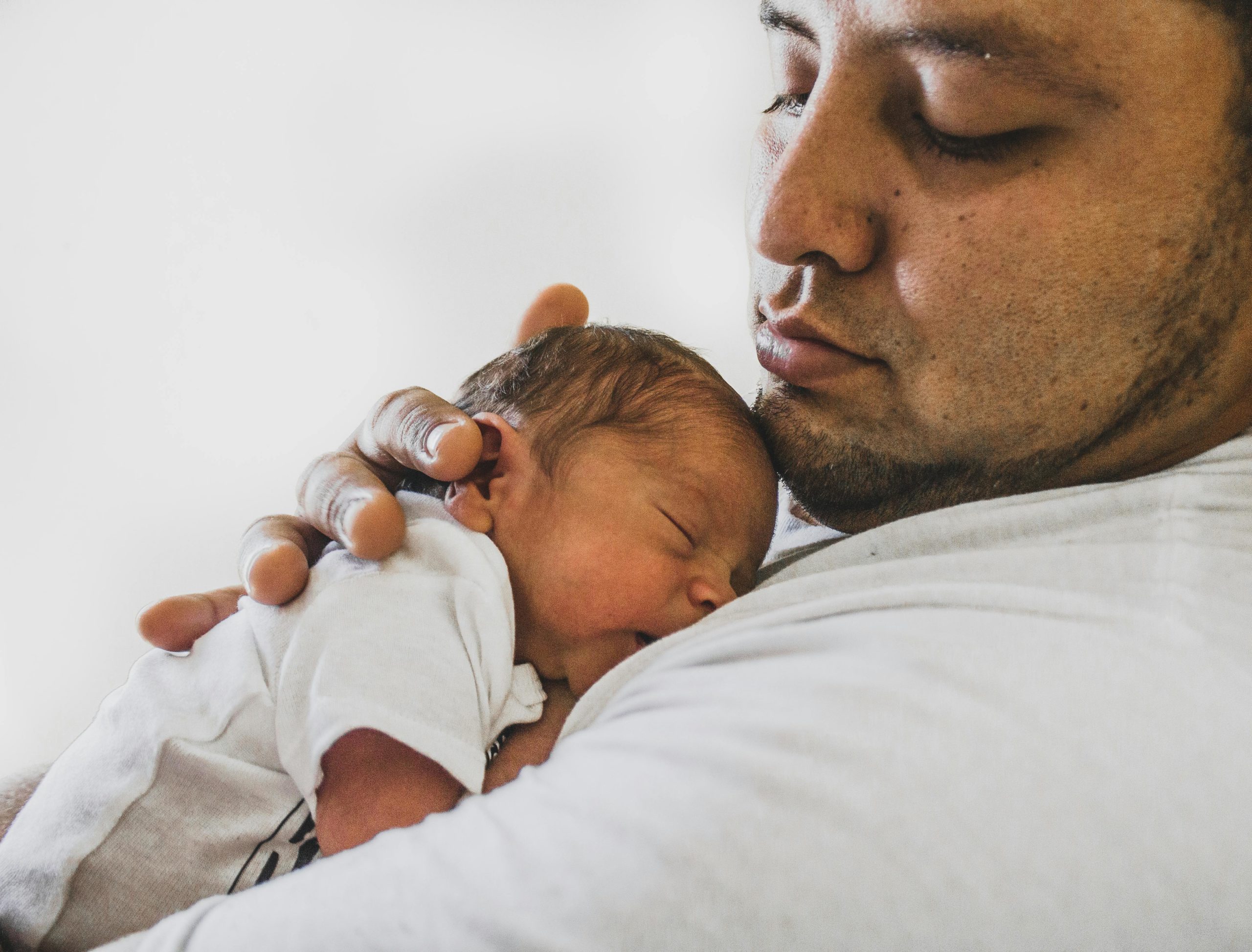
Pregnancy, birth, and early parenting are foundational periods for both parent and child. During this time, physical closeness, consistent caregiving, and emotional attunement play a critical role in bonding, attachment, and early development. When legal involvement disrupts these processes, the effects can be profound and long-lasting.

In custodial settings, pregnancy and birth often occur under conditions that prioritize security and procedure over maternal and infant needs. Parents may experience limited autonomy during pregnancy, restricted access to consistent medical care, and separation from their newborns shortly after birth. Infants may be separated from their primary caregiver during a period when bonding and attachment are biologically and developmentally significant.

These separations are not neutral events. Early disruption of caregiver–infant bonding can affect:

  • Attachment and emotional regulation

  • Breastfeeding and physical closeness

  • Parental mental health during the postpartum period

  • A caregiver’s ability to establish confidence and connection

  • Long-term family stability and reunification

For parents, separation during or immediately after birth can compound stress, grief, and trauma at a time of heightened vulnerability. For infants, the absence of consistent caregiving during early development can have lasting implications, even when separation is later resolved.

This work brings attention to the gap between what is known about early development and attachment and how legal and custodial systems often operate during pregnancy and postpartum periods. The focus is not on providing direct services, but on advocacy, education, and awareness — highlighting why pregnancy, birth, and early parenting must be understood as family-centered justice issues rather than procedural exceptions.

Recognizing the importance of maternal–child bonding and early caregiving is essential to understanding the full impact of legal processes on families and to ensuring that justice systems do not inadvertently create harm that extends across generations.

Justice Center

Trauma Across the Family System

The impact of criminal justice involvement does not end with the individual named in a case. It extends into homes, caregiving relationships, and childhood development — shaping the emotional and psychological wellbeing of entire families.

When a parent is arrested, charged, incarcerated, or caught in prolonged legal uncertainty, families experience a form of trauma that is rarely acknowledged as such. Children lose daily contact with caregivers. Routines are disrupted. Stability gives way to fear, confusion, and unanswered questions. Caregivers absorb emotional distress while navigating sudden financial, logistical, and parenting responsibilities, often without support.

This trauma is cumulative and relational. It does not occur in a single moment, nor does it end when legal proceedings conclude. Children may internalize separation as abandonment or blame themselves for the loss of a parent. Caregivers carry chronic stress and exhaustion while attempting to protect children from harm. Parents experience guilt and helplessness as their ability to bond, nurture, and protect is interrupted.

These effects are not limited to long-term incarceration. Even brief detention, pretrial separation, or extended legal uncertainty can leave lasting psychological impacts — particularly for children. While the justice system rarely tracks these outcomes, families live with them long after cases are closed.

Trauma across the family system is not incidental; it is a predictable consequence of legal processes that do not account for relational harm. When families are treated as collateral rather than stakeholders, trauma becomes embedded — shaping attachment, mental health, behavior, and long-term stability.

Recognizing trauma across the family system is not about assigning blame. It is about acknowledging reality. Families are not peripheral to justice outcomes — they are part of them.

Justice Center

Family Reunification & Long-Term Stability

Family reunification is often treated as the conclusion of legal involvement — the point at which harm is assumed to end and normal life is expected to resume. In reality, reunification is a complex and fragile process shaped by what separation disrupted and what remains unresolved.

Families returning to one another after legal separation often face altered roles, emotional distance, and unresolved trauma. Children may struggle to reconnect with a parent who feels unfamiliar or unpredictable. Caregivers may carry resentment, exhaustion, or fear alongside relief. Parents may return with limited capacity to immediately resume caregiving after prolonged disruption, surveillance, or institutionalization.

Reunification frequently occurs without adequate acknowledgment of these dynamics. Families are expected to stabilize quickly, despite financial strain, housing instability, disrupted routines, and emotional wounds that developed during separation. When reunification falters, the difficulty is often attributed to individual failure rather than the cumulative impact of prolonged disruption.

This framework recognizes reunification not as an endpoint, but as a critical transition that shapes long-term family stability. Without understanding what separation fractures, justice outcomes that appear complete on paper may leave families vulnerable to continued harm.

Justice Center

The Hidden Impact on Families

Legal consequences rarely end with sentencing or case resolution. Families absorb a range of collateral effects that extend far beyond the individual formally involved in a case, often persisting for years or generations.

These consequences may include housing instability, loss of income, employment barriers, educational disruption, changes in caregiving arrangements, and restricted access to services. Children and caregivers often experience these impacts without recognition, despite having had no control over the legal decisions that produced them.

Collateral consequences are frequently treated as external or unavoidable, rather than as predictable outcomes of legal processes that fail to account for family-level impact. As a result, families carry ongoing punishment indirectly — through instability, stress, and constrained opportunity — long after formal legal involvement has ended.

By naming collateral consequences as family harm, this framework expands the understanding of accountability beyond individual outcomes. It recognizes that justice systems shape family trajectories not only through decisions they make, but through consequences they leave unaddressed.

Supporting Families
Justice Center

How This Framework Functions Within the Justice System

This framework exists to bring visibility to family-level harm that legal systems rarely name, measure, or account for. It does not provide legal advice, clinical services, or case management. Instead, it functions as a framework for understanding — making clear how legal processes affect families, caregivers, and children in ways that extend far beyond formal outcomes.

By naming these impacts, this work helps families orient themselves within an experience that is often isolating and disorienting. It provides language for what families are living through, reduces invisibility, and connects people to existing resources and support when appropriate. Most importantly, it affirms that family harm is real, consequential, and relevant — not incidental.

Within the broader justice system, this work serves a clarifying role. It highlights how decisions made in legal settings reverberate into homes, schools, workplaces, and communities. It brings attention to consequences that are typically treated as outside the scope of responsibility, even though they shape long-term stability, health, and development.

Centering families and caregivers is not an alternative to justice — it is a necessary dimension of it. Legal processes that fail to account for family impact offer an incomplete picture of the harm they produce and the outcomes they create. By making these impacts visible, this work contributes to a more accurate, honest understanding of justice — one that recognizes people, not just cases.